

The idea of a World War 2026 has become a topic of discussion in recent years, especially with rising geopolitical tensions across the globe. While there is no confirmed global war at present, experts often analyze whether current conflicts could escalate into a large-scale international war similar to World War I or World War II.
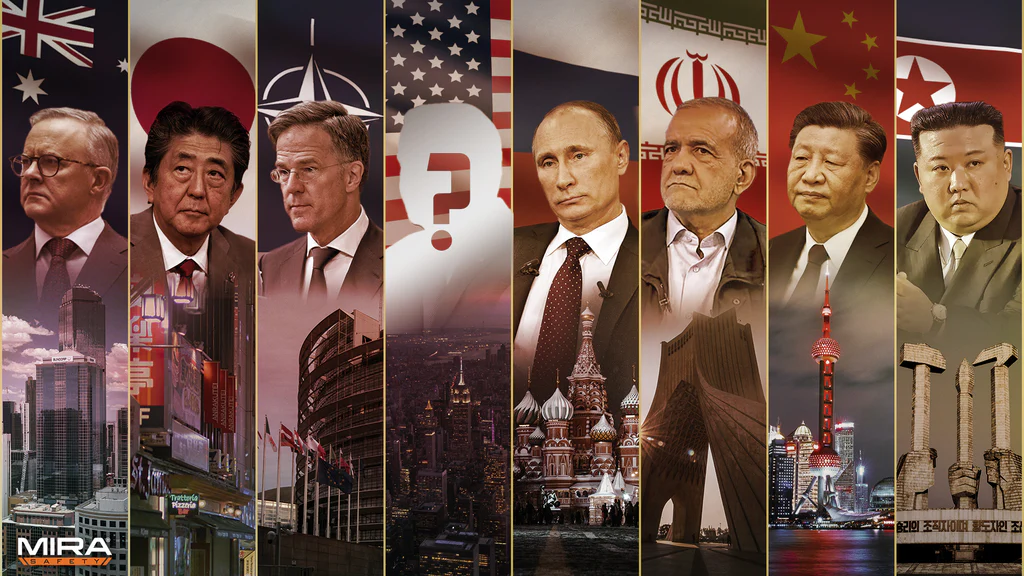
Is World War 2026 Real?
As of now, there is no official world war happening in 2026. However, multiple regional conflicts and political tensions have raised concerns about global stability. The term “World War 2026” is mostly used in media, speculation, and online discussions rather than being a real declared war.
Current Global Tensions
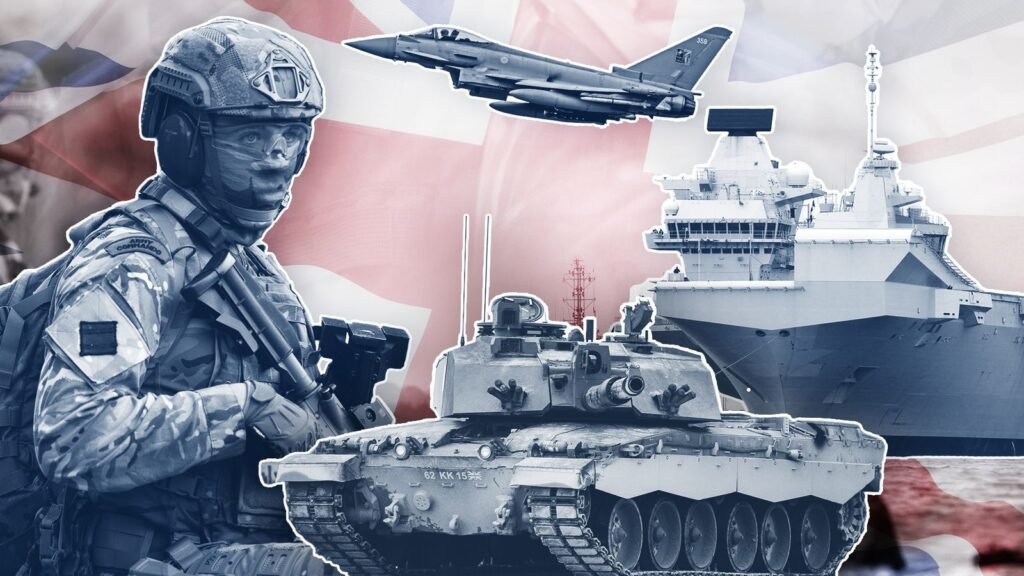
Several ongoing situations contribute to fears of a large-scale conflict:
- The Russia-Ukraine War
- Rising tensions between the United States and China
- Conflicts in the Middle East
- Military developments in the South China Sea
While these conflicts are serious, they are still limited and have not escalated into a full global war.
What Could Trigger a World War?
A global war in 2026 or beyond could potentially be triggered by:
- Military alliances pulling multiple countries into conflict
- Nuclear escalation between powerful nations
- Economic collapse leading to global instability
- Cyber warfare targeting critical infrastructure
Modern warfare is far more complex than in the past, involving not only physical battles but also digital and economic conflicts.
How Modern War Would Be Different
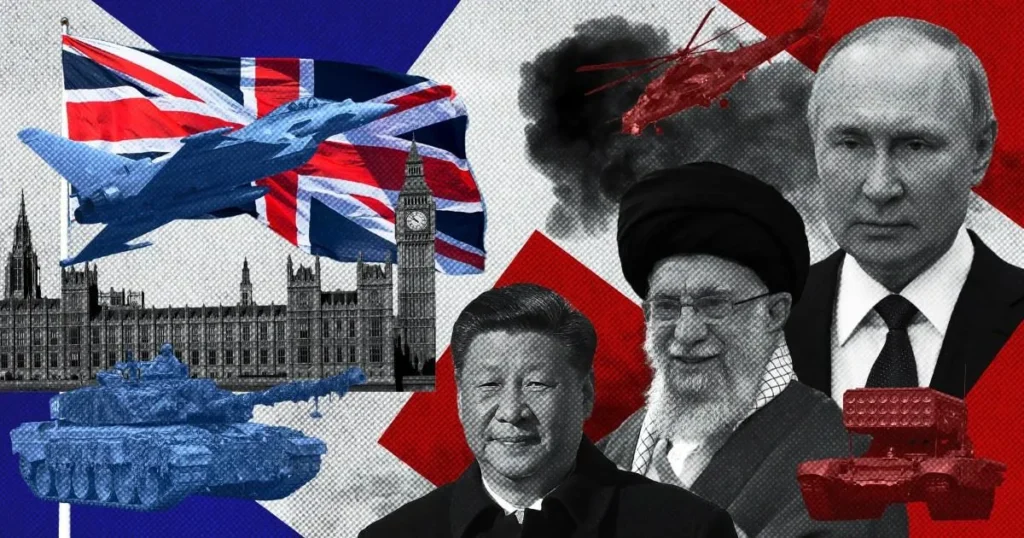
If a world war were to happen today, it would be very different from World War II:
1. Advanced Technology
Drones, artificial intelligence, and cyber weapons would play a major role.
2. Nuclear Threat
The existence of nuclear weapons makes any large-scale war extremely dangerous for humanity.
3. Global Impact
Due to globalization, even non-combat countries would face economic and social consequences.
Efforts to Prevent Global War
International organizations like the United Nations are continuously working to reduce tensions and promote peace. Diplomacy, negotiations, and sanctions are commonly used to prevent conflicts from escalating.
Should We Be Worried?
While global tensions exist, experts generally believe that a full-scale world war is unlikely but not impossible. The presence of nuclear weapons often acts as a deterrent, as no nation wants the catastrophic consequences of such a conflict.
Conclusion
The concept of World War 2026 is largely speculative and driven by global uncertainties rather than reality. Although conflicts and tensions continue to exist, the world also has stronger diplomatic systems and international cooperation than ever before.
Understanding these risks helps people stay informed without unnecessary panic. The focus should remain on peace, cooperation, and global stability to ensure that history does not repeat the tragedies of World War I and World War II

Leave a Reply