Skip to content
35COMMENT_LOGO
  • Home
  • My account
  • Post
  • Privacy Policy
  • Home
  • Narendra Modi: Leadership, Vision, and Impact on Modern India
Uncategorized
Narendra Modi: Leadership, Vision, and Impact on Modern India
joym08885@gmail.com Mar 28, 2026 0

Narendra Modi has emerged as one of the most influential political leaders of the 21st century. As the Prime Minister of India, his leadership has shaped the nation’s economic direction, global standing, and domestic policies in profound ways.
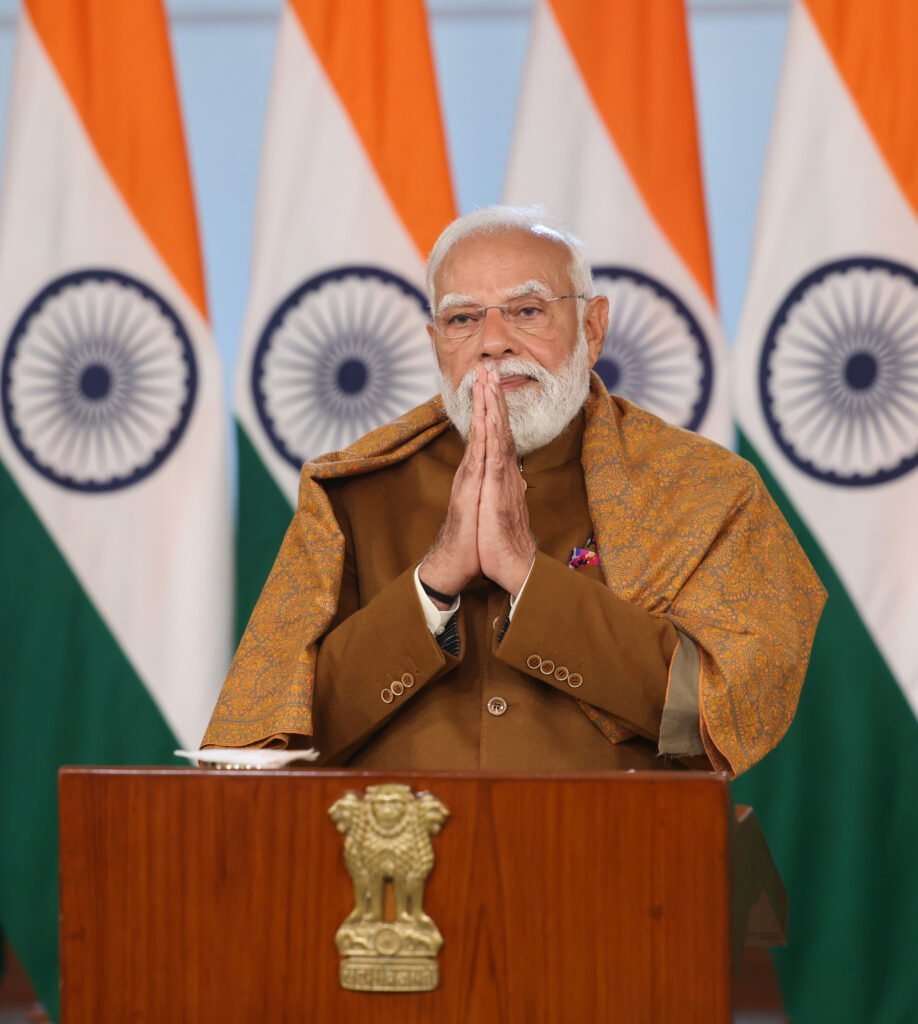
PM’s video message on Shri Ratnasundar Surishwar ji Maharaj 500th Book Launch on January 11, 2026.

Early Life and Political Rise

Born on September 17, 1950, in Vadnagar, Gujarat, Narendra Modi came from humble beginnings. His early life was marked by hardship, discipline, and a strong sense of nationalism. Before entering mainstream politics, he was associated with the Rashtriya Swayamsevak Sangh (RSS), where he developed organizational and leadership skills.

Modi’s political journey gained momentum when he joined the Bharatiya Janata Party (BJP). His administrative capabilities became widely recognized during his tenure as the Chief Minister of Gujarat (2001–2014), where he focused on economic growth, infrastructure development, and investment promotion.

Becoming Prime Minister
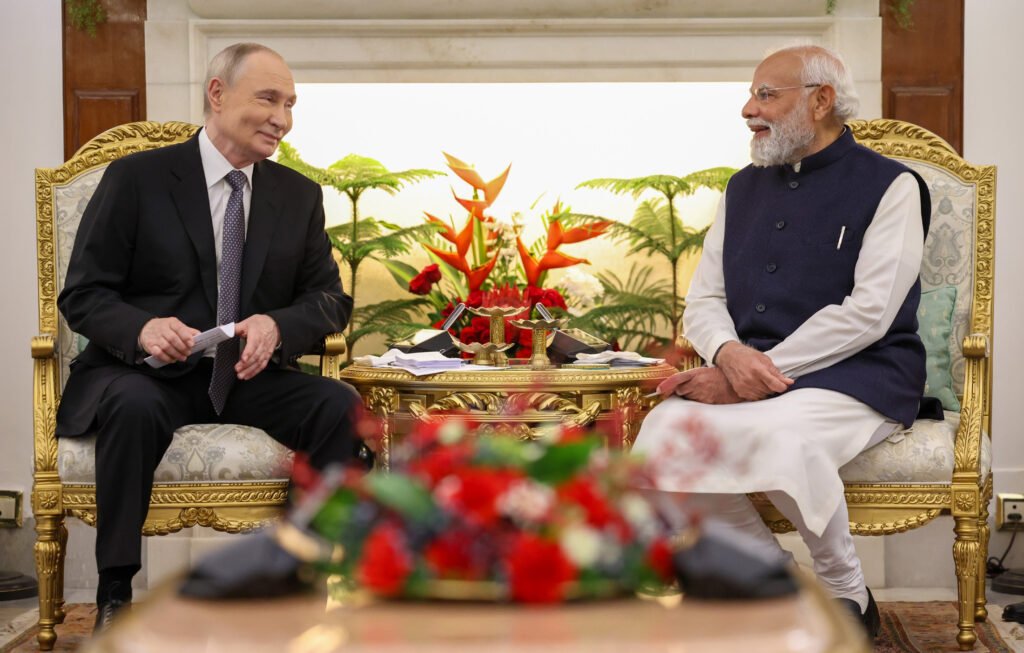
PM meeting with the President of Russia, Mr. Vladimir Putin at Hyderabad House, in New Delhi on December 05, 2025.

In 2014, Narendra Modi led the BJP to a historic victory in the general elections, becoming the Prime Minister of India. His campaign emphasized development, governance, and anti-corruption measures. He was re-elected in 2019 with an even stronger mandate, reflecting widespread public support.

Key Policies and Initiatives

Prime Minister Modi has introduced several transformative initiatives:

  • Digital India: Aimed at improving online infrastructure and increasing internet accessibility.
  • Make in India: Encouraging manufacturing and foreign investment in India.
  • Swachh Bharat Abhiyan: A nationwide cleanliness campaign to improve sanitation.
  • Goods and Services Tax (GST): A major tax reform simplifying India’s indirect tax system.
  • Atmanirbhar Bharat: Promoting self-reliance across industries.

These programs have had a significant impact on India’s economic and social landscape.

Foreign Policy and Global Presence

Under Modi’s leadership, India has strengthened its global presence. He has actively engaged with major world powers, participated in international forums, and worked to position India as a key player in global affairs. His diplomacy has focused on economic partnerships, security cooperation, and promoting India’s cultural identity worldwide.

Leadership Style
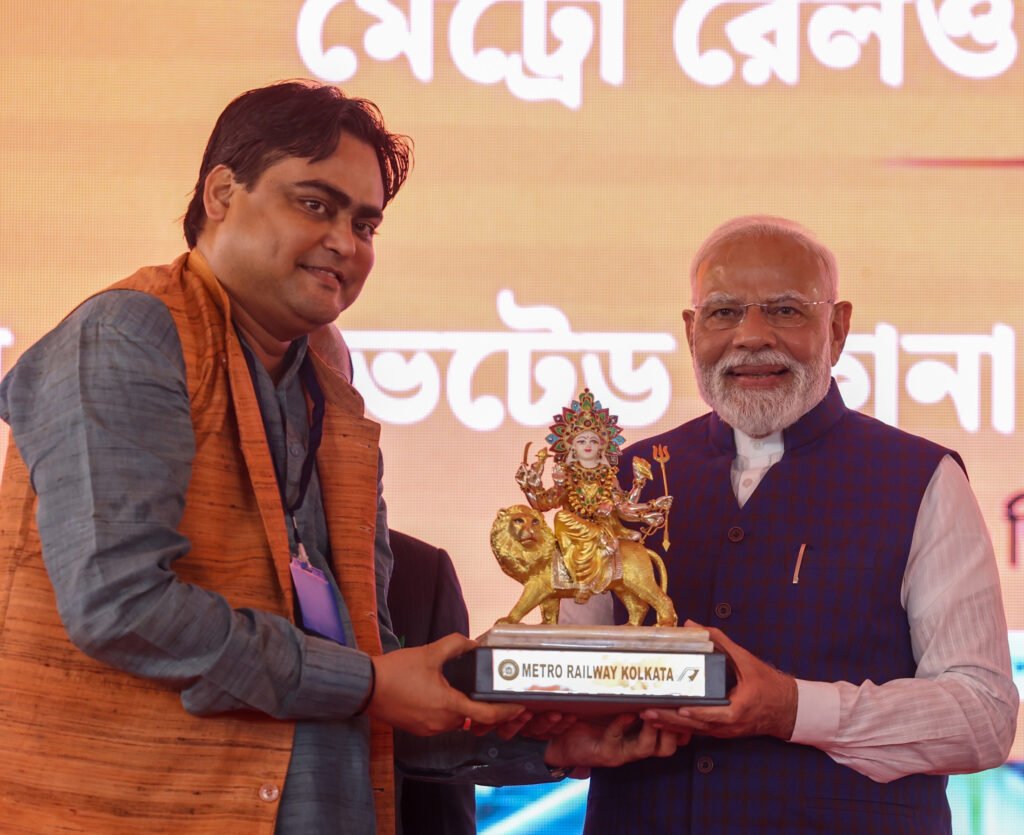
PM at the foundation stone laying and inauguration of various projects at Kolkata, in West Bengal on August 22, 2025.

Narendra Modi is known for his decisive leadership, strong communication skills, and ability to connect with the masses. His use of technology and social media has redefined political communication in India. Programs like “Mann Ki Baat” allow him to directly address citizens.

Criticism and Challenges

Like any prominent leader, Modi’s tenure has not been without criticism. Debates around economic policies, social issues, and governance decisions continue to shape public discourse. Handling economic challenges, unemployment, and social harmony remain ongoing responsibilities for his administration.

Conclusion

Narendra Modi’s journey from a small-town background to the Prime Minister’s office is a compelling story of determination and leadership. His policies and vision continue to influence the trajectory of India. Whether viewed through the lens of strong leadership or debated for his policies, his impact on modern India is undeniable.
35comment.com
35comment.com
Uncategorized
India Night Clubs: The Pulse of Urban Nightlife
joym08885@gmail.com Mar 25, 2026 0

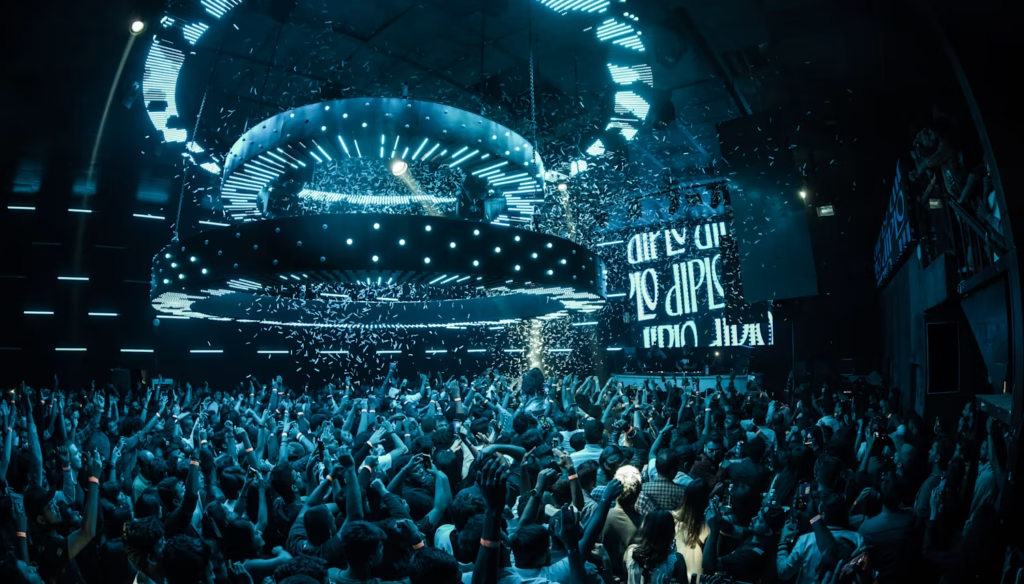
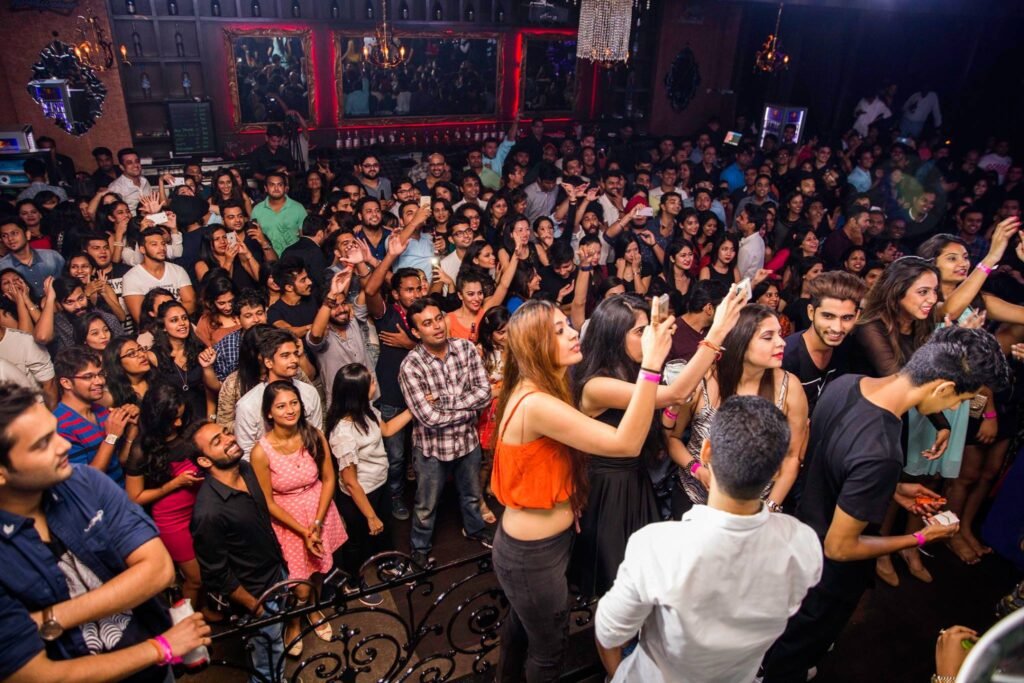
India’s nightlife has evolved dramatically over the past decade, with nightclubs becoming vibrant hubs of music, culture, and social interaction. From high-energy dance floors to luxurious lounge experiences, nightclubs in India offer something for everyone seeking entertainment after dark.

35comment.com
35comment.com

The Rise of Nightlife Culture in India

Traditionally known for its rich heritage and cultural diversity, India is now equally recognized for its modern urban lifestyle. Cities like Mumbai, Delhi, Bengaluru, and Goa have embraced global nightlife trends, creating a dynamic clubbing scene that attracts both locals and tourists.

With the influence of international DJs, themed parties, and live performances, Indian nightclubs have transformed into world-class entertainment venues.

Popular Nightlife Destinations

Mumbai

Known as the city that never sleeps, Mumbai offers some of the most exclusive nightclubs in India. From rooftop lounges with stunning skyline views to underground clubs with electrifying music, the city caters to a wide audience.

Delhi

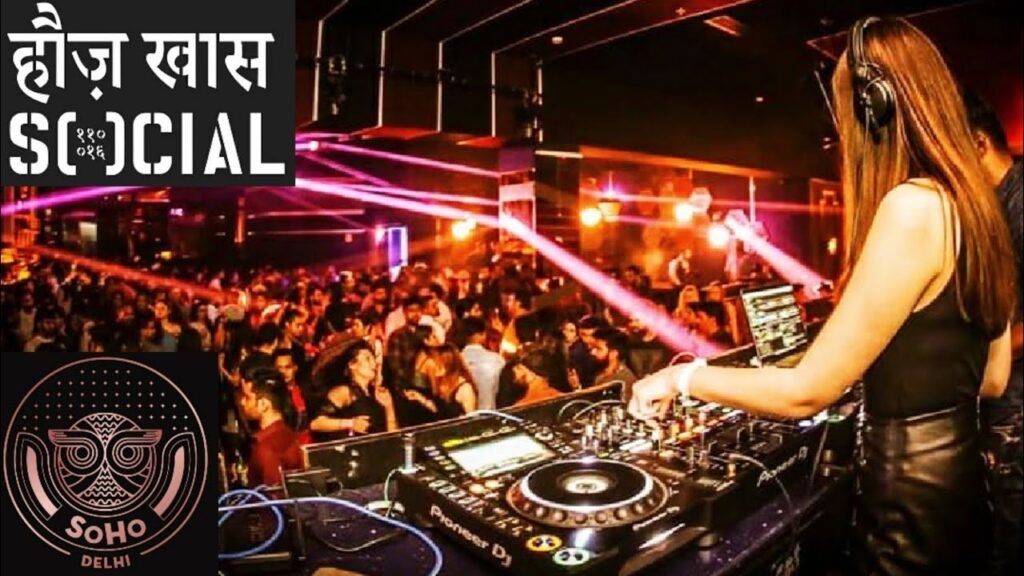
Delhi’s nightlife is a blend of luxury and energy. The capital city boasts stylish clubs, celebrity appearances, and a diverse music scene ranging from EDM to Bollywood hits.

Bengaluru

Often called the “pub capital of India,” Bengaluru is famous for its youthful crowd and vibrant party culture. The city is known for its craft beer scene and lively dance floors.

Goa

Goa stands out as India’s ultimate party destination. Beach clubs, trance parties, and international music festivals make it a hotspot for nightlife enthusiasts from around the world.

Music and Entertainment

Music is the heart of every nightclub experience. Indian clubs feature a wide range of genres, including:

  • Electronic Dance Music (EDM)
  • Bollywood remixes
  • Hip-hop and rap
  • Live band performances

International and local DJs frequently perform, creating unforgettable nights filled with energy and excitement.

Safety and Regulations

Nightlife in India is governed by local laws, including age restrictions (usually 18 or 21+) and closing times that vary by city. Many clubs prioritize safety with security checks, surveillance, and responsible service practices.

It’s always advisable for visitors to follow local guidelines, stay aware of surroundings, and travel safely.

Changing Trends

The nightclub scene in India continues to evolve with new trends such as:

  • Themed nights and immersive experiences
  • Ladies’ nights and exclusive events
  • Rooftop and open-air venues
  • Fusion of music, food, and art

Social media has also played a major role in promoting nightlife culture, making clubs more accessible and popular among younger audiences.

Conclusion

India’s nightclubs are more than just places to dance—they are spaces where culture, music, and modern lifestyle come together. Whether you’re looking for a high-energy party or a relaxed evening with friends, the Indian nightlife scene offers endless possibilities.

As cities continue to grow and adapt to global trends, India’s nightclubs are set to become even more e

Uncategorized
Wine: A Timeless Drink of Culture and Craft
joym08885@gmail.com Mar 25, 2026 0

Wine is one of the oldest and most celebrated beverages in human history. From ancient civilizations to modern fine dining, wine has remained a symbol of culture, tradition, and craftsmanship. Whether enjoyed casually or appreciated by connoisseurs, wine offers a rich experience that goes far beyond taste.

The History of Wine

The origins of wine date back thousands of years, with early evidence found in regions such as Mesopotamia and the Caucasus. Over time, wine-making spread to Egypt, Greece, and Rome, where it became an essential part of daily life and religious ceremonies.

As trade expanded, wine traveled across Europe and eventually the world, evolving into a global industry with countless styles and varieties.

How Wine is Made

Wine is produced through the fermentation of grapes. The process begins with harvesting ripe grapes, which are then crushed to release their juice. Yeast is added to convert the natural sugars into alcohol, a process known as fermentation.

After fermentation, the wine may be aged in barrels or tanks to develop its flavor and character. The final product is then filtered, bottled, and ready to be enjoyed.

Types of Wine

There are several main types of wine, each with its own unique characteristics:

  • Red Wine – Made from dark-colored grapes, known for bold flavors and rich aromas.
  • White Wine – Typically lighter and more refreshing, made from green or yellow grapes.
  • Rosé Wine – A blend of red and white wine characteristics, with a pink hue.
  • Sparkling Wine – Carbonated wine, famous for celebrations and special occasions.
  • Dessert Wine – Sweet wines often served after meals.

Each type varies depending on grape variety, region, and production method.

Wine and Culture

Wine is deeply connected to culture and tradition. In many countries, it is an important part of meals, celebrations, and social gatherings. Regions such as France, Italy, and Spain are especially known for their wine heritage.

Wine tasting has also become a popular activity, allowing people to explore different flavors, aromas, and textures.

Health and Moderation

In moderation, wine—especially red wine—has been associated with certain health benefits, such as improved heart health due to antioxidants. However, it is important to consume wine responsibly, as excessive drinking can have negative effects.

Conclusion

Wine is more than just a drink—it is a blend of history, art, and science. Its diversity and depth make it one of the most fascinating beverages in the world. Whether you are a beginner or an enthusiast,

Uncategorized
IPL 2026: Cricket’s Biggest Festival Returns with More Action
joym08885@gmail.com Mar 25, 2026 0

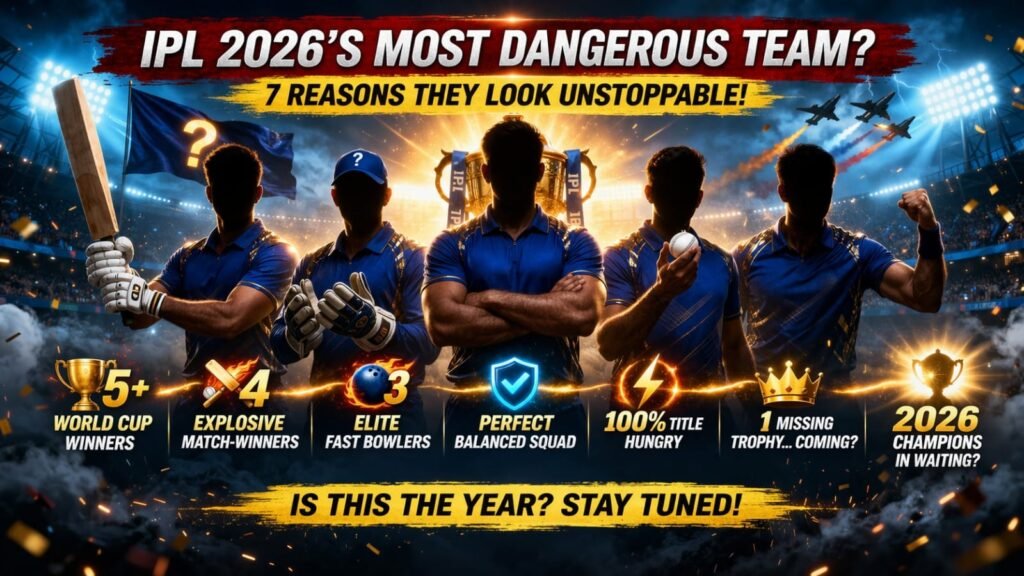
The 2026 edition of the Indian Premier League (IPL) is set to once again capture the imagination of cricket fans across the globe. Known for its electrifying matches, star-studded line-ups, and unmatched entertainment, IPL 2026 promises to be bigger, faster, and more competitive than ever before.

35comment.com
35comment.com

Overview of IPL 2026

The Indian Premier League is the world’s most popular T20 cricket league, organized annually by the Board of Control for Cricket in India (BCCI). The 2026 season features ten teams competing in an expanded format, with a total of 84 matches scheduled, making it one of the longest IPL seasons in history. ()

The tournament is scheduled to run from March 28 to May 31, 2026, ensuring over two months of non-stop cricket action. ()

Teams Participating

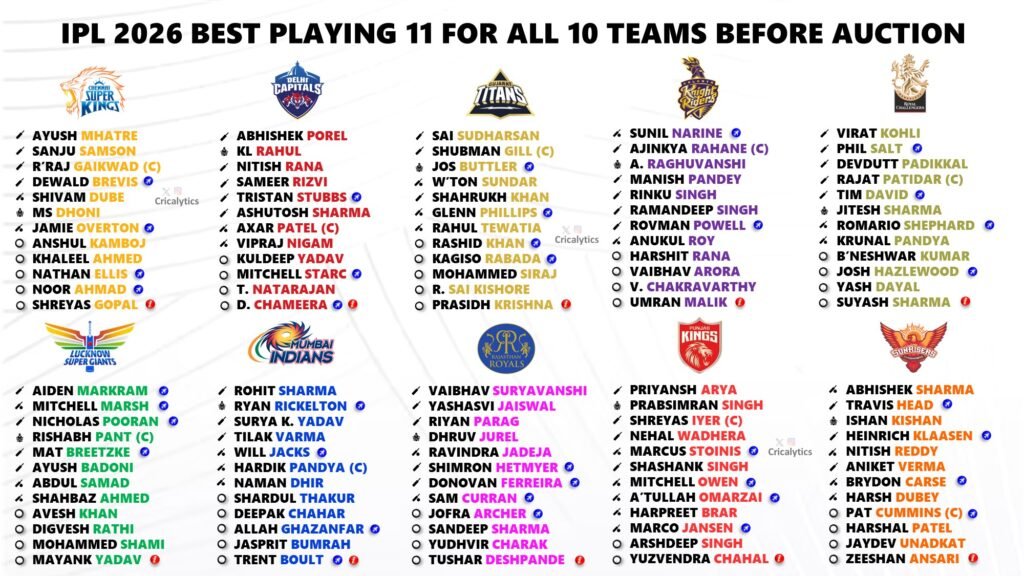
IPL 2026 includes ten franchises representing different cities:

  • Chennai Super Kings (CSK)
  • Mumbai Indians (MI)
  • Royal Challengers Bengaluru (RCB)
  • Kolkata Knight Riders (KKR)
  • Delhi Capitals (DC)
  • Punjab Kings (PBKS)
  • Rajasthan Royals (RR)
  • Sunrisers Hyderabad (SRH)
  • Lucknow Super Giants (LSG)
  • Gujarat Titans (GT) ()

Each team brings a mix of experienced international stars and emerging young talent, making the competition highly unpredictable.

Defending Champions and Expectations

Royal Challengers Bengaluru enter IPL 2026 as the defending champions after winning their maiden title in 2025. Their victory ended years of waiting and has set high expectations for the upcoming season. ()

Fans will be eager to see whether they can defend their title or if a new champion will emerge.

Schedule and Key Matches

The season kicks off on March 28, with matches taking place across iconic stadiums in India. The tournament includes exciting double-headers and high-profile clashes between rival teams.

For example, one of the early highlights includes a double-header on April 4 featuring Delhi Capitals vs Mumbai Indians and Gujarat Titans vs Rajasthan Royals. ()

Matches will be held in multiple cities, giving fans across the country the chance to experience the IPL atmosphere live.

Key Developments in IPL 2026

Several interesting developments have already shaped the 2026 season:

  • Teams are dealing with injuries due to a packed cricket calendar, especially among fast bowlers. ()
  • Franchises are making last-minute squad changes and strategic signings to stay competitive. ()
  • The league continues to grow commercially, with franchises like Mumbai Indians expanding sponsorships and brand partnerships. ()

These factors add an extra layer of excitement and unpredictability to the tournament.

Players to Watch

IPL 2026 will feature some of the biggest names in cricket, along with rising stars eager to make their mark. Players like Virat Kohli, Rohit Sharma, and emerging talents such as Shubman Gill and Yashasvi Jaiswal are expected to play key roles.

Young players will also look to use this platform to showcase their talent on a global stage.

Why IPL Remains Special

What makes IPL unique is its perfect blend of sport and entertainment. From thrilling last-over finishes to massive sixes and passionate fan support, every match offers something unforgettable.

The league also plays a crucial role in discovering new talent and promoting cricket at the grassroots level.

Conclusion

IPL 2026 is more than just a cricket tournament—it is a celebration of the sport. With top teams, world-class players, and millions of fans watching worldwide, the season promises unforgettable moments and intense competition.

As the tournament unfolds, one question remains: Who will lift the IPL trophy in 2026? Only time will tell, but one thing is certain—cricket fans are in for a spectacular ride.

Uncategorized
Football: The World’s Most Loved Game
joym08885@gmail.com Mar 25, 2026 0

Football, often referred to as “the beautiful game,” is the most popular sport on the planet. Played and watched by billions across continents, it transcends language, culture, and geography. Whether it’s a casual match in a neighborhood field or a high-stakes international tournament, football has a unique ability to unite people.

A Brief History

Football’s origins can be traced back thousands of years, with early versions played in ancient China, Greece, and Rome. However, the modern form of the game began to take shape in England during the 19th century. Standardized rules were established, leading to the formation of organized competitions and governing bodies.

35comment.com
35comment.com

The Basics of the Game

Football is played between two teams of eleven players each. The objective is simple: score more goals than the opposing team by getting the ball into their net. Players primarily use their feet, but they can also use their heads and torsos. The only player allowed to use their hands is the goalkeeper, and only within their penalty area.

A standard match lasts 90 minutes, divided into two halves, with additional stoppage time added at the end of each half.

Why Football is So Popular

One of football’s greatest strengths is its simplicity. All you need is a ball and some open space to play. This accessibility has helped the sport spread rapidly across the globe.

Moreover, football creates emotional connections. Fans passionately support their teams, celebrating victories and enduring defeats together. Major tournaments like the FIFA World Cup capture global attention, bringing nations together in a shared experience.

Skills and Strategy

Football is not just about physical ability; it also requires intelligence and teamwork. Players must develop skills such as passing, dribbling, shooting, and defending. Coaches design strategies that involve formations, positioning, and tactics to outplay opponents.

Teamwork is essential—no single player can win a match alone. Success depends on coordination, communication, and trust among teammates.

The Impact of Football

Football has a significant impact beyond the pitch. It contributes to economies, creates careers, and inspires millions. It also plays a role in social change, promoting values like discipline, respect, and unity.

Grassroots football programs help young people develop confidence and life skills, while professional leagues provide entertainment and role models for aspiring players.

Conclusion

Football is more than just a sport—it is a global phenomenon that connects people from all walks of life. Its simplicity, excitement, and emotional power make it truly special. As long as there are people and a ball, football will continue to thrive and inspire generations to come.

Uncategorized
Best Shopping Malls in India: A Complete Guide for Shopaholics
joym08885@gmail.com Mar 25, 2026 0

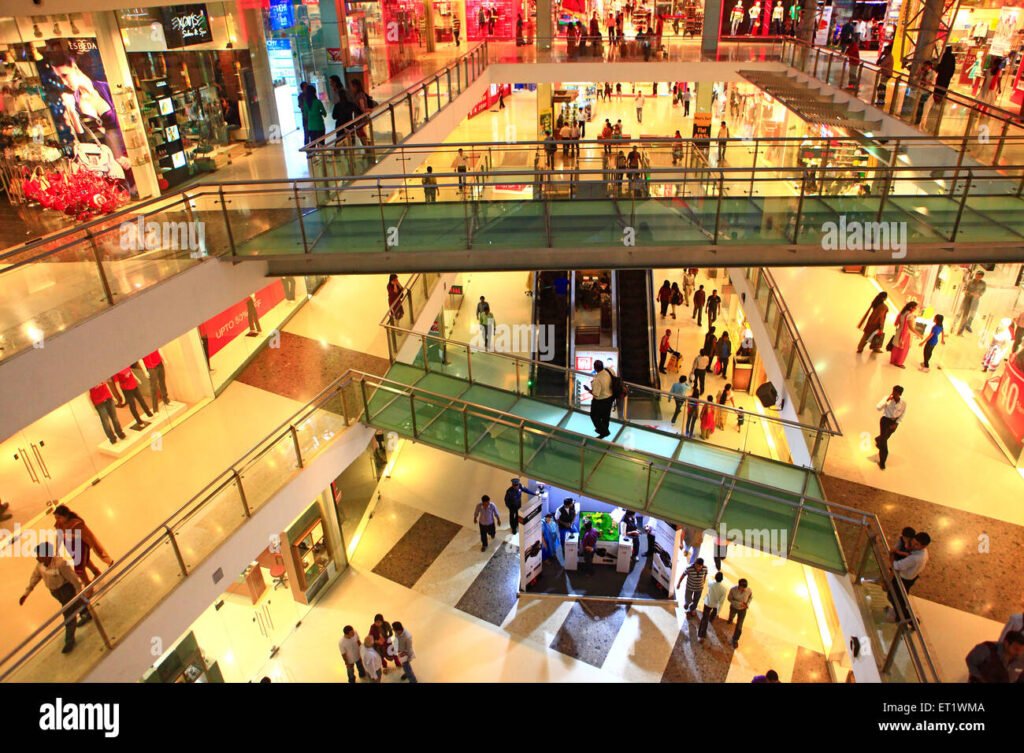
India is not just a land of culture and diversity—it’s also a paradise for shopping lovers. Over the years, shopping malls in India have transformed into lifestyle destinations, offering a perfect mix of retail, entertainment, dining, and leisure. From luxury brands to budget-friendly stores, Indian malls cater to every kind of shopper.

The Rise of Shopping Malls in India

 35comment.com
35comment.com

With rapid urbanization and changing consumer lifestyles, shopping malls have become an integral part of modern India. They are no longer just places to shop—they are social hubs where families and friends gather to relax, watch movies, dine, and enjoy events.

Cities like Delhi, Mumbai, Bangalore, and Hyderabad boast some of the most impressive malls in the country.

Top Shopping Malls in India

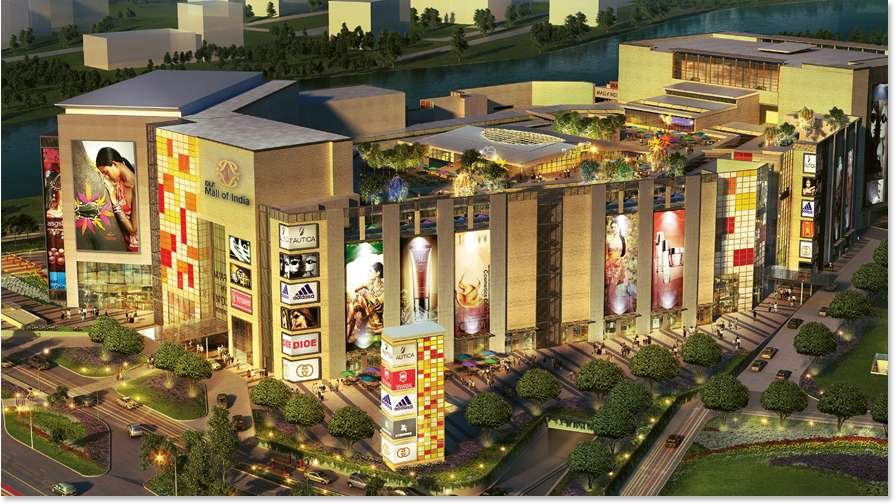
1. DLF Mall of India, Noida

One of the largest malls in the country, DLF Mall of India offers an unmatched shopping experience with over 300 brands. From international labels to Indian designers, it has something for everyone. The mall also features multiple entertainment zones and fine dining options.

2. Phoenix Marketcity, Mumbai

Located in the heart of Mumbai, this mall is known for its vibrant atmosphere and premium shopping experience. It hosts top global brands, stylish cafes, and a large multiplex cinema, making it a favorite among locals and tourists alike.

3. Orion Mall, Bangalore

Situated near the iconic Brigade Gateway, Orion Mall combines luxury and comfort. It features high-end brands, scenic surroundings, and a lakeside view, offering a relaxing shopping environment.

4. Select Citywalk, Delhi

A popular destination in the capital, Select Citywalk is known for its elegant design and curated brand selection. It hosts luxury stores, fashion outlets, and some of the best restaurants in Delhi.

5. Lulu Mall, Kochi

One of India’s largest malls, Lulu Mall is famous for its vast size and diverse offerings. It includes an ice skating rink, food courts, and international retail brands, making it a must-visit in South India.

What Makes Indian Malls Unique?

Indian shopping malls stand out due to their blend of traditional and modern elements. Visitors can explore global brands alongside local handicrafts, enjoy international cuisines as well as regional delicacies, and experience festivals and cultural events within the mall premises.

Entertainment and Lifestyle Experience

Most malls in India offer more than just shopping:

  • Multiplex cinemas for movie lovers
  • Gaming zones and kids’ play areas
  • Live events, exhibitions, and seasonal festivals
  • Wellness centers and salons

This makes malls ideal destinations for a full day of entertainment.

Tips for Visiting Shopping Malls in India

  • Visit during weekdays to avoid crowds
  • Look out for festive sales and discounts
  • Use mall directories to navigate easily
  • Explore food courts for a variety of cuisines

Conclusion

Shopping malls in India have redefined the retail experience by combining shopping, entertainment, and lifestyle under one roof. Whether you’re a fashion enthusiast, a foodie, or just looking for a place to unwind, India’s malls offer something for everyone.

If you love shopping and exploring new experiences, visiting these top malls should definitely be on

Uncategorized
Indian Airports: Gateways to a Growing Nation
joym08885@gmail.com Mar 25, 2026 0

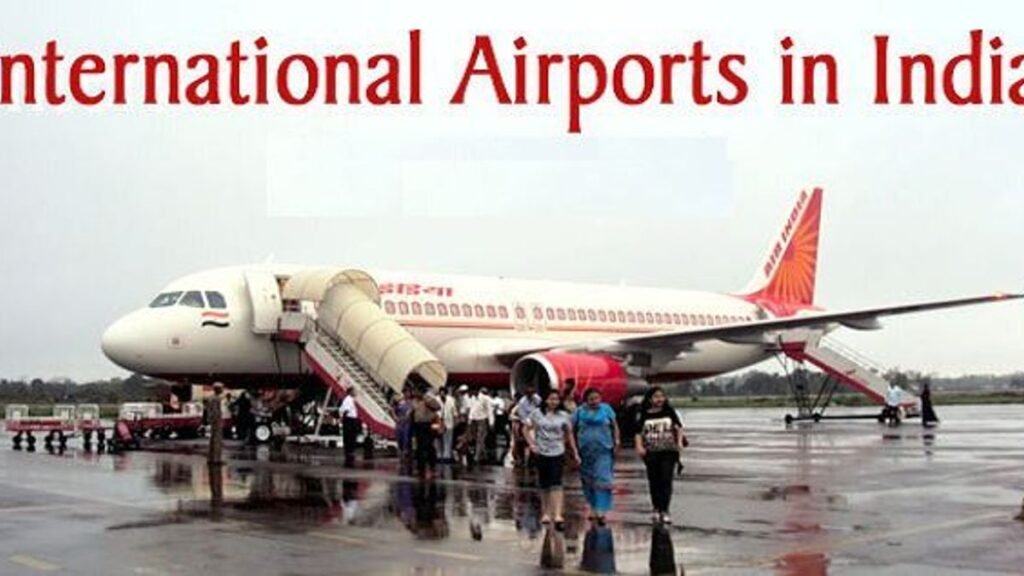
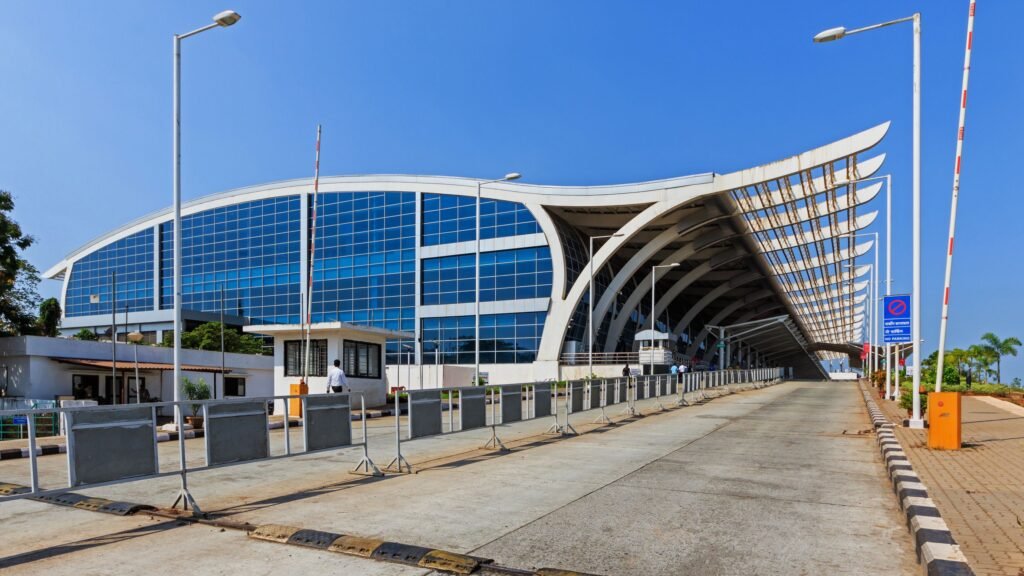
India’s aviation sector has witnessed remarkable growth over the past two decades, transforming the country’s airports into modern, efficient, and globally competitive travel hubs. From bustling metropolitan terminals to rapidly developing regional airports, India’s airport infrastructure plays a crucial role in connecting people, boosting tourism, and driving economic progress.

Evolution of Indian Airports

In the early years after independence, India’s airports were limited in number and basic in infrastructure. However, with economic liberalization in the 1990s and the rise of air travel demand, the government began investing heavily in modernization and expansion. Public-private partnerships (PPPs) became a key model, allowing private players to contribute to the development and management of major airports.

Today, India is one of the fastest-growing aviation markets in the world, with dozens of operational airports and many more under construction.

Major International Airports

India is home to several world-class international airports that serve millions of passengers annually:

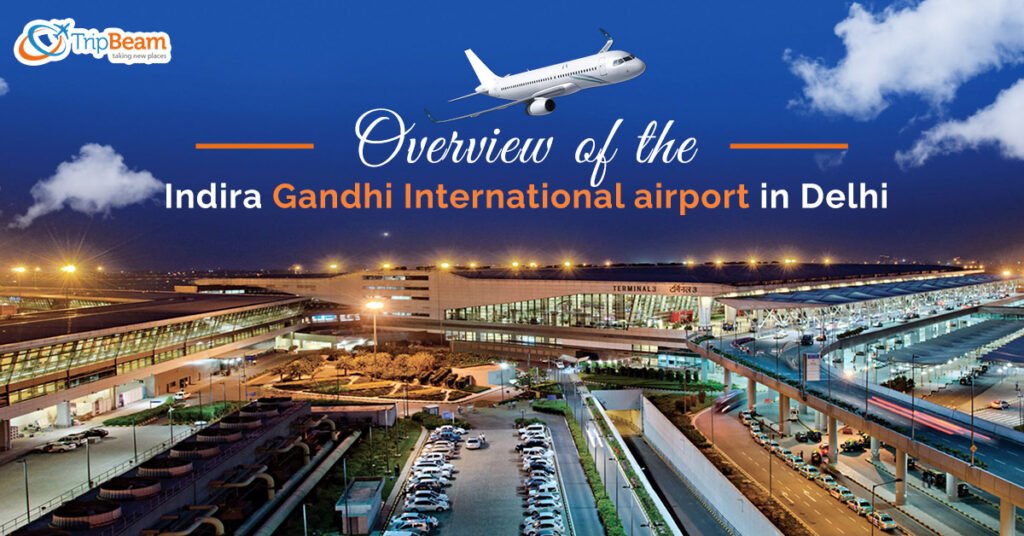
  • Indira Gandhi International Airport (Delhi): Known for its advanced infrastructure and high passenger capacity, it consistently ranks among the top airports globally.
  • Chhatrapati Shivaji Maharaj International Airport (Mumbai): A major gateway to India, famous for its architectural design and efficient operations.
  • Kempegowda International Airport (Bangalore): A rapidly expanding hub catering to India’s tech capital.
  • Rajiv Gandhi International Airport (Hyderabad): Recognized for its sustainability initiatives and passenger-friendly services.

These airports are equipped with modern terminals, digital check-in systems, cargo facilities, and world-class lounges.

Regional Connectivity and UDAN Scheme

To make air travel accessible to smaller cities and towns, the Indian government launched the UDAN (Ude Desh ka Aam Nagrik) scheme. This initiative aims to enhance regional connectivity by making flights affordable and developing underutilized airports.

As a result, many tier-2 and tier-3 cities now have operational airports, boosting local economies and tourism.

Technological Advancements

Indian airports are rapidly adopting cutting-edge technologies to improve passenger experience:

  • Biometric boarding systems for seamless travel
  • Self-check-in kiosks and e-gates
  • Smart baggage handling systems
  • Digital payment and contactless services

These innovations reduce waiting times and enhance overall efficiency.

Sustainability and Green Airports

With growing awareness of environmental concerns, Indian airports are taking steps toward sustainability. Some airports have adopted solar power, rainwater harvesting, and waste management systems.

For example, Cochin International Airport became the world’s first fully solar-powered airport, setting a benchmark for eco-friendly aviation infrastructure.

Challenges and Future Outlook

Despite significant progress, the Indian aviation sector faces challenges such as airspace congestion, high operational costs, and infrastructure strain due to rising passenger numbers. However, ongoing investments and policy reforms aim to address these issues.

Looking ahead, India plans to develop over 200 airports in the coming years, positioning itself as a global aviation hub. With increasing demand, technological innovation, and infrastructure expansion, the future of Indian airports looks promising.

Conclusion

35comment.com
35comment.com

Indian airports are more than just transit points—they are symbols of the country’s growth, ambition, and global integration. As the aviation sector continues to evolve, these airports will play an even more critical role in shaping India’s economic and social landscape.

Whether for business, tourism, or connectivity, Indian airports are truly the gateways to a dynamic and rapidly progressing

Uncategorized
Kashmir 2026: Current Situation, Challenges, and Future Outlook
joym08885@gmail.com Mar 25, 2026 0

Kashmir remains one of the most sensitive and discussed regions in the world. As we move through 2026, Kashmir continues to be at the center of political, social, and security-related conversations, especially involving India and Pakistan.

Background of the Kashmir Issue

The Kashmir conflict dates back to 1947, during the partition of British India. Since then, both India and Pakistan have claimed the region, leading to multiple wars and ongoing tensions. A part of the region is also administered by China, adding another layer of complexity.

Kashmir in 2026: Current Scenario

In 2026, Kashmir is experiencing a mix of development, security measures, and political discussions.

1. Security Situation

Security remains tight in many areas to maintain stability. While incidents of violence have decreased compared to earlier years, concerns still exist.

2. Development and Infrastructure

35comment.com
35comment.com

The government has been focusing on improving roads, tourism, and digital connectivity. Cities like Srinagar are seeing gradual growth in tourism and local business.

3. Tourism Growth

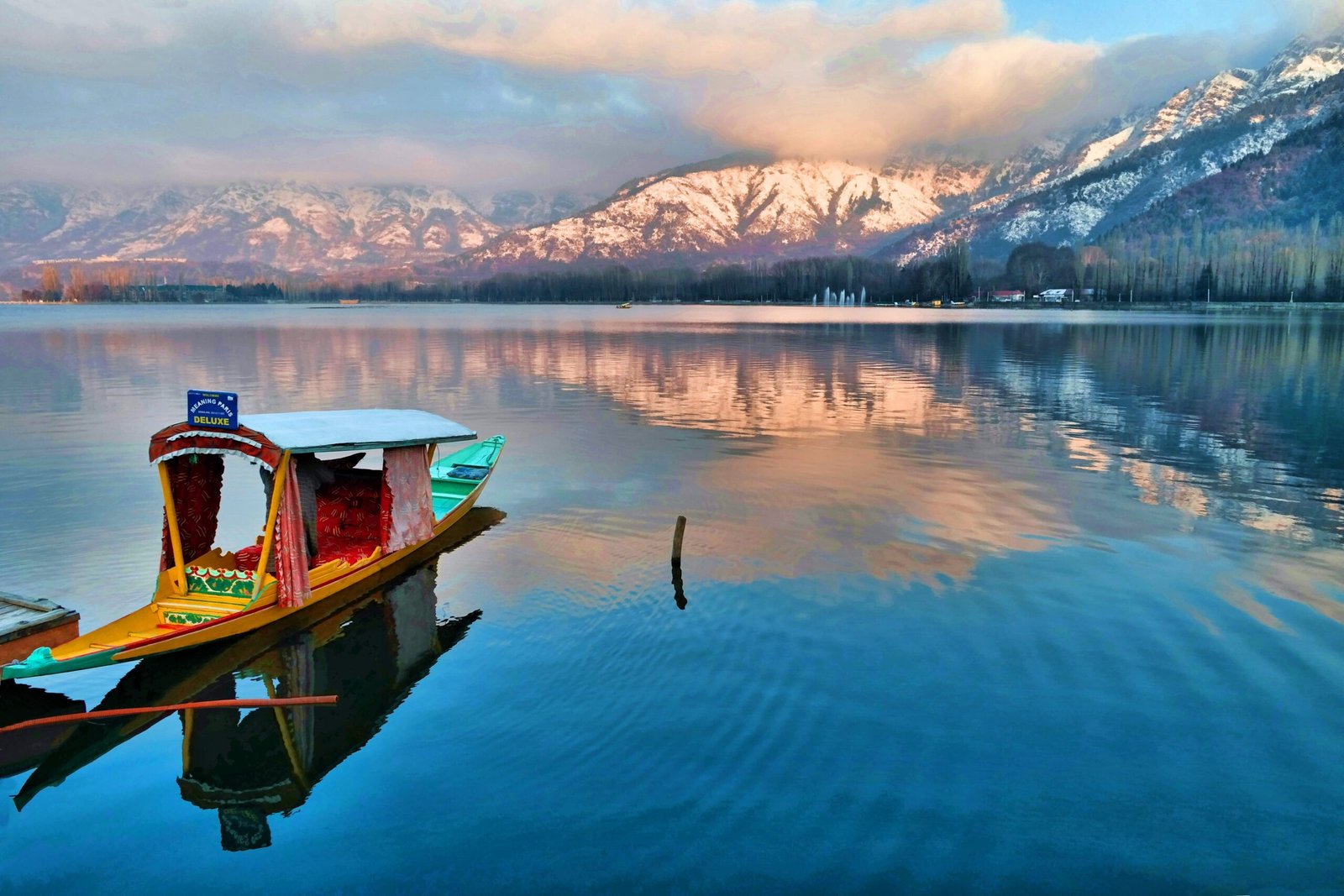
Kashmir, often called “Paradise on Earth,” continues to attract tourists for its natural beauty. Destinations like Gulmarg and Pahalgam are becoming popular again.

Key Challenges

Despite progress, several challenges remain:

  • Political disagreements between nations
  • Local concerns about governance and rights
  • Security-related restrictions
  • Economic development gaps in rural areas

Role of International Community

Organizations like the United Nations have historically shown interest in the Kashmir issue, although most developments are handled bilaterally between India and Pakistan.

Future Outlook

The future of Kashmir depends on:

  • Continued dialogue and diplomacy
  • Economic development and job creation
  • Peace-building efforts
  • Stability in the region

Many experts believe that long-term peace can only be achieved through cooperation and mutual understanding.

Conclusion

In 2026, Kashmir stands at a crucial point between progress and ongoing challenges. While development and tourism offer hope, political and security issues continue to shape the region’s future.

A peaceful and stable Kashmir is essential not only for India and Pakistan but also for regional and global harmon

Kashmir

Uncategorized
World War 2026: Possibility, Risks, and Global Reality
joym08885@gmail.com Mar 25, 2026 0

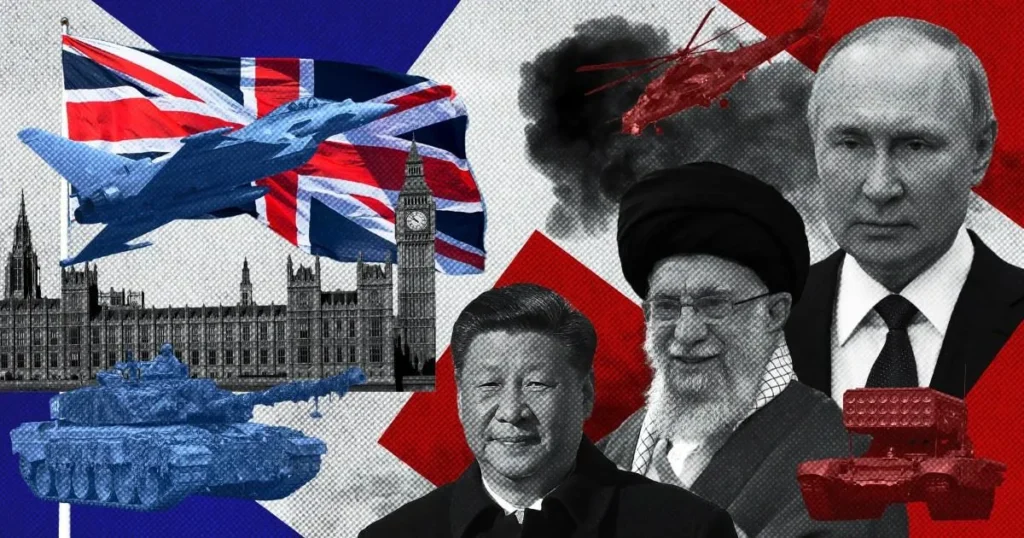
The idea of a World War 2026 has become a topic of discussion in recent years, especially with rising geopolitical tensions across the globe. While there is no confirmed global war at present, experts often analyze whether current conflicts could escalate into a large-scale international war similar to World War I or World War II.

Is World War 2026 Real?

As of now, there is no official world war happening in 2026. However, multiple regional conflicts and political tensions have raised concerns about global stability. The term “World War 2026” is mostly used in media, speculation, and online discussions rather than being a real declared war.

Current Global Tensions

35commennt
35comment

Several ongoing situations contribute to fears of a large-scale conflict:

  • The Russia-Ukraine War
  • Rising tensions between the United States and China
  • Conflicts in the Middle East
  • Military developments in the South China Sea

While these conflicts are serious, they are still limited and have not escalated into a full global war.

What Could Trigger a World War?

A global war in 2026 or beyond could potentially be triggered by:

  • Military alliances pulling multiple countries into conflict
  • Nuclear escalation between powerful nations
  • Economic collapse leading to global instability
  • Cyber warfare targeting critical infrastructure

Modern warfare is far more complex than in the past, involving not only physical battles but also digital and economic conflicts.

How Modern War Would Be Different

If a world war were to happen today, it would be very different from World War II:

1. Advanced Technology

Drones, artificial intelligence, and cyber weapons would play a major role.

2. Nuclear Threat

The existence of nuclear weapons makes any large-scale war extremely dangerous for humanity.

3. Global Impact

Due to globalization, even non-combat countries would face economic and social consequences.

Efforts to Prevent Global War

International organizations like the United Nations are continuously working to reduce tensions and promote peace. Diplomacy, negotiations, and sanctions are commonly used to prevent conflicts from escalating.

Should We Be Worried?

While global tensions exist, experts generally believe that a full-scale world war is unlikely but not impossible. The presence of nuclear weapons often acts as a deterrent, as no nation wants the catastrophic consequences of such a conflict.

Conclusion

The concept of World War 2026 is largely speculative and driven by global uncertainties rather than reality. Although conflicts and tensions continue to exist, the world also has stronger diplomatic systems and international cooperation than ever before.

Understanding these risks helps people stay informed without unnecessary panic. The focus should remain on peace, cooperation, and global stability to ensure that history does not repeat the tragedies of World War I and World War II

Uncategorized
Kolkata Fatafat: A Complete Guide to the Popular Lottery Game
joym08885@gmail.com Mar 25, 2026 0

Kolkata Fatafat is one of the most popular lottery-style number games in Kolkata and across West Bengal. Known for its quick results and simple format, it has gained massive popularity among people looking for fast-paced gaming and instant outcomes.

What is Kolkata Fatafat?

Kolkata Fatafat is a daily lottery game where players select numbers and wait for multiple draws throughout the day. Unlike traditional lotteries, results are announced several times daily, making it more engaging and dynamic.

Players usually choose a number (or a combination of numbers), and if their number matches the result, they win according to the payout rules.

35comment.com
35comment.com

How the Game Works

The structure of Kolkata Fatafat is simple:

  • Players select a number between a specific range
  • Draws are held multiple times daily
  • Results are announced quickly after each round
  • Winners receive prizes based on the type of bet

The fast result system is what makes this game especially attractive to participants.

Types of Bets

Kolkata Fatafat offers different betting styles, including:

  • Single Digit Bet – Choose one number
  • Jodi Bet – Pick a pair of numbers
  • Panel or Patti Bet – Choose a combination of digits

Each type has different odds and payout rates, giving players multiple ways to participate.

Why is Kolkata Fatafat So Popular?

There are several reasons behind its popularity:

1. Quick Results

Unlike weekly or monthly lotteries, players don’t have to wait long. Results are announced frequently throughout the day.

2. Easy to Play

The rules are simple, making it accessible even for beginners.

3. Low Investment

Players can start with a small amount, making it affordable for many people.

4. Excitement and Engagement

Frequent draws keep players engaged and excited.

Important Considerations

While Kolkata Fatafat is entertaining, players should keep the following in mind:

  • It involves financial risk
  • Outcomes are purely based on chance
  • Over-participation can lead to losses

It is always advisable to play responsibly and within limits.

Legal Status

The legality of lottery-style games varies across different regions in India. Players should always check local laws and regulations in India before participating.

Tips for Players

Although the game is based on luck, here are a few general tips:

  • Set a budget and stick to it
  • Avoid chasing losses
  • Keep track of previous results (for patterns, if any)
  • Play for entertainment, not as a source of income

Conclusion

Kolkata Fatafat remains a widely recognized and fast-paced number game, especially in Kolkata. Its simplicity, frequent draws, and low entry cost make it appealing to many players.

However, like all games of chance, it should be approached responsibly. Enjoy the game for fun, stay within limits, and always prioritize financial safety.

Posts pagination

1 2

Copyright by 35comment.com | Frankfurt News by ThemeArile