

Narendra Modi has emerged as one of the most influential political leaders of the 21st century. As the Prime Minister of India, his leadership has shaped the nation’s economic direction, global standing, and domestic policies in profound ways.
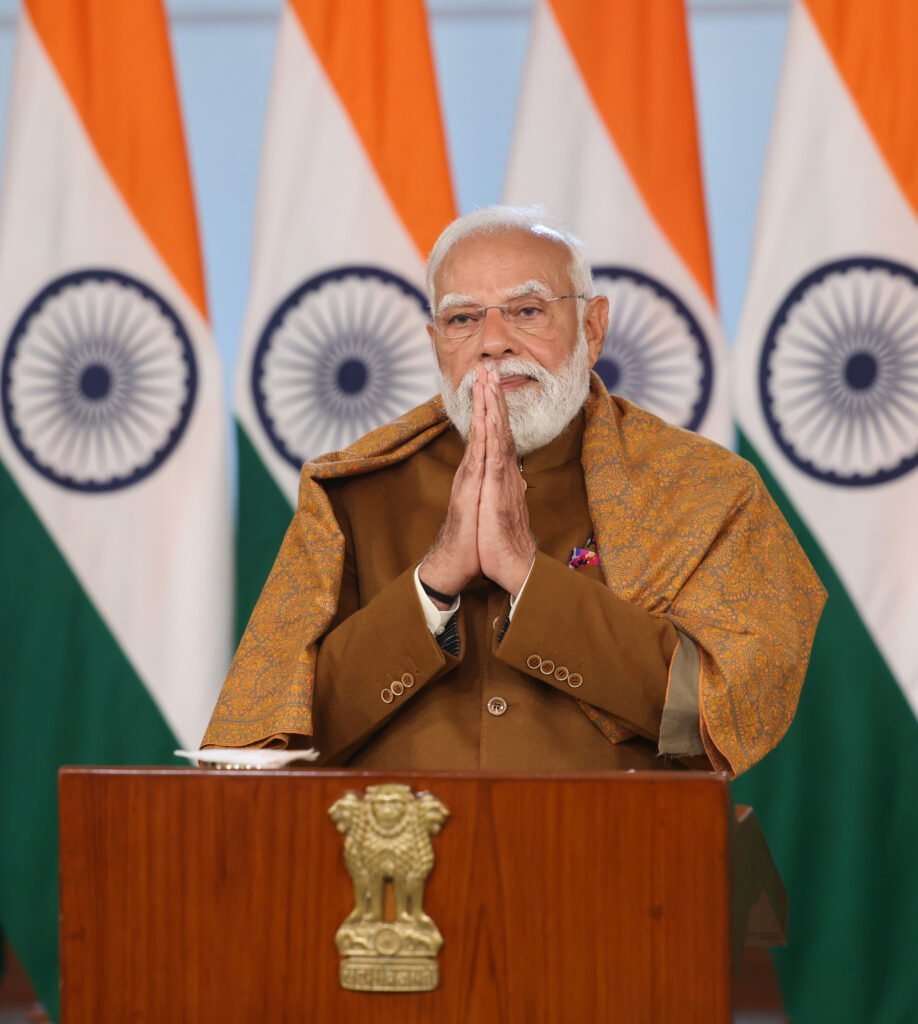
Early Life and Political Rise
Born on September 17, 1950, in Vadnagar, Gujarat, Narendra Modi came from humble beginnings. His early life was marked by hardship, discipline, and a strong sense of nationalism. Before entering mainstream politics, he was associated with the Rashtriya Swayamsevak Sangh (RSS), where he developed organizational and leadership skills.
Modi’s political journey gained momentum when he joined the Bharatiya Janata Party (BJP). His administrative capabilities became widely recognized during his tenure as the Chief Minister of Gujarat (2001–2014), where he focused on economic growth, infrastructure development, and investment promotion.
Becoming Prime Minister
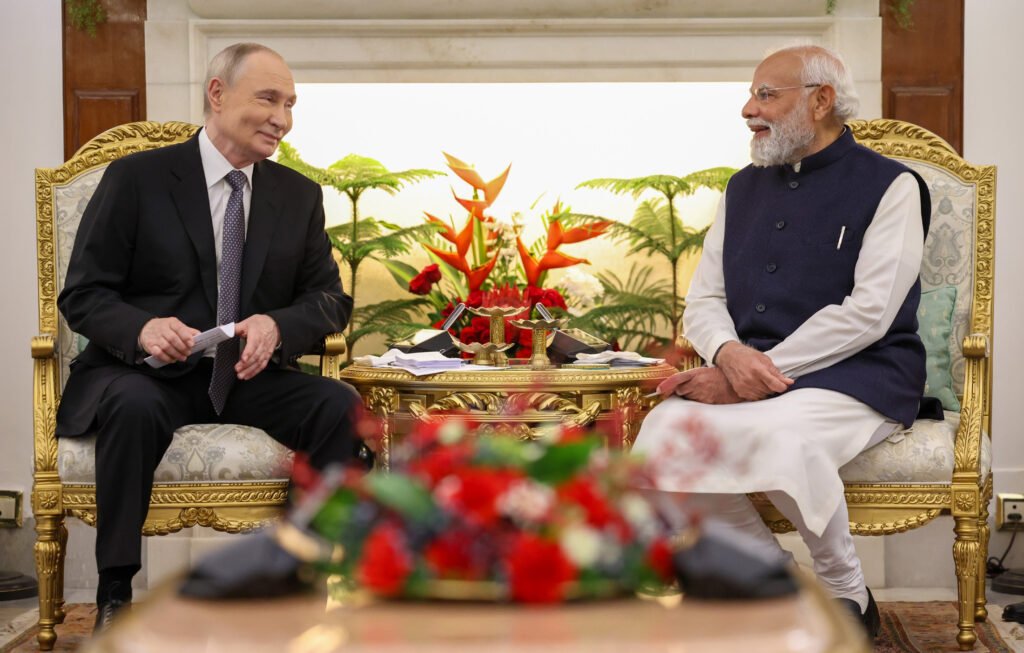
In 2014, Narendra Modi led the BJP to a historic victory in the general elections, becoming the Prime Minister of India. His campaign emphasized development, governance, and anti-corruption measures. He was re-elected in 2019 with an even stronger mandate, reflecting widespread public support.
Key Policies and Initiatives
Prime Minister Modi has introduced several transformative initiatives:
- Digital India: Aimed at improving online infrastructure and increasing internet accessibility.
- Make in India: Encouraging manufacturing and foreign investment in India.
- Swachh Bharat Abhiyan: A nationwide cleanliness campaign to improve sanitation.
- Goods and Services Tax (GST): A major tax reform simplifying India’s indirect tax system.
- Atmanirbhar Bharat: Promoting self-reliance across industries.
These programs have had a significant impact on India’s economic and social landscape.
Foreign Policy and Global Presence
Under Modi’s leadership, India has strengthened its global presence. He has actively engaged with major world powers, participated in international forums, and worked to position India as a key player in global affairs. His diplomacy has focused on economic partnerships, security cooperation, and promoting India’s cultural identity worldwide.
Leadership Style
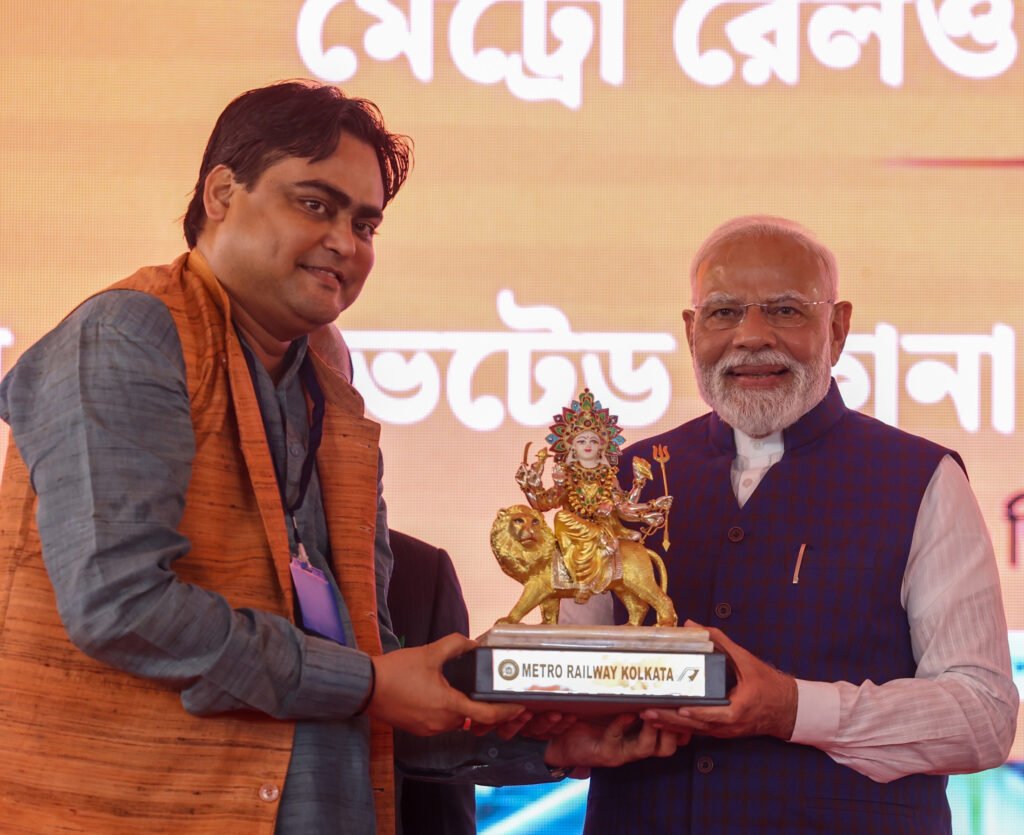
Narendra Modi is known for his decisive leadership, strong communication skills, and ability to connect with the masses. His use of technology and social media has redefined political communication in India. Programs like “Mann Ki Baat” allow him to directly address citizens.
Criticism and Challenges
Like any prominent leader, Modi’s tenure has not been without criticism. Debates around economic policies, social issues, and governance decisions continue to shape public discourse. Handling economic challenges, unemployment, and social harmony remain ongoing responsibilities for his administration.
Conclusion
Narendra Modi’s journey from a small-town background to the Prime Minister’s office is a compelling story of determination and leadership. His policies and vision continue to influence the trajectory of India. Whether viewed through the lens of strong leadership or debated for his policies, his impact on modern India is undeniable.

Leave a Reply